.jpg)


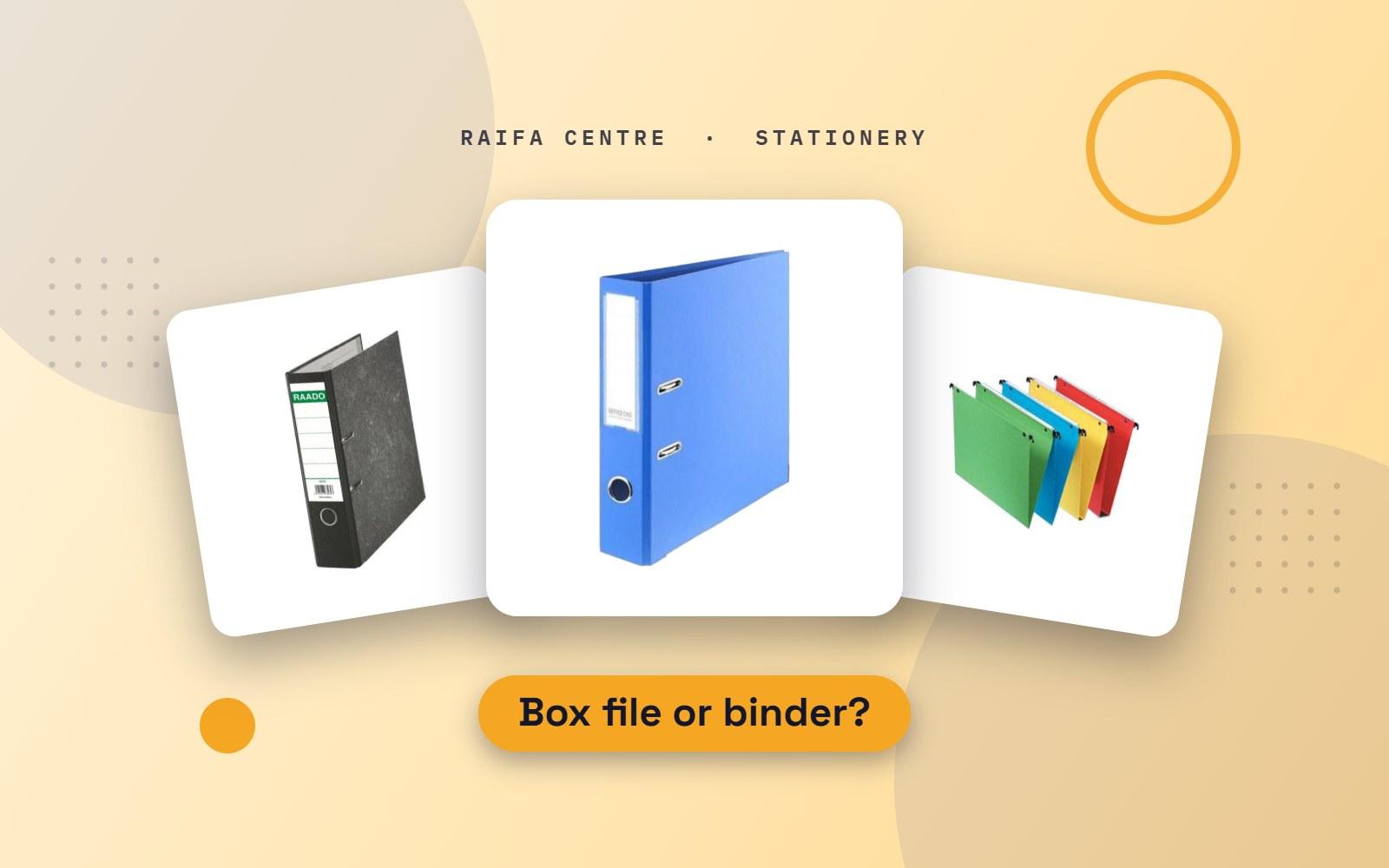
Every office has the same problem sooner or later: the document exists, but nobody can find it. The fix is not more cupboards. It is choosing the right file for each kind of paper and labelling it the same way every time.
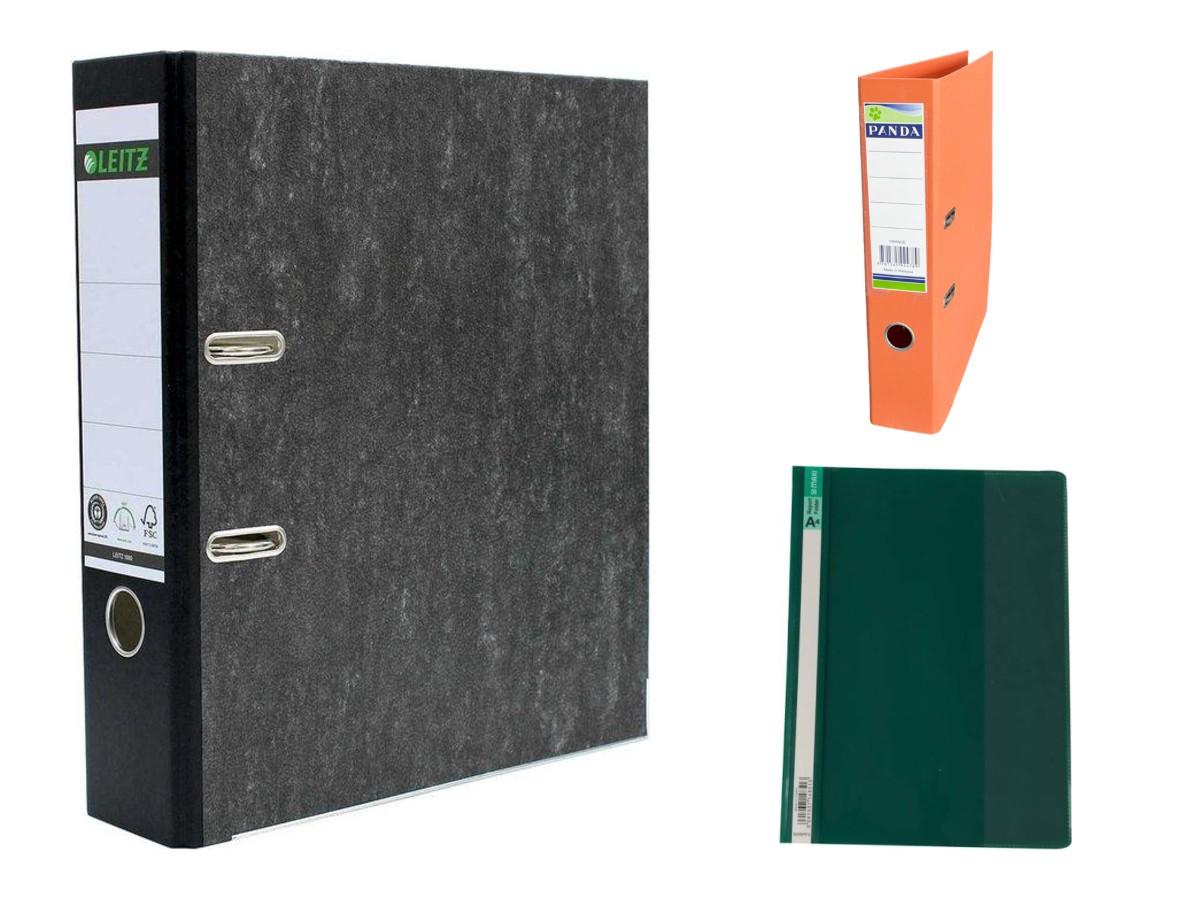
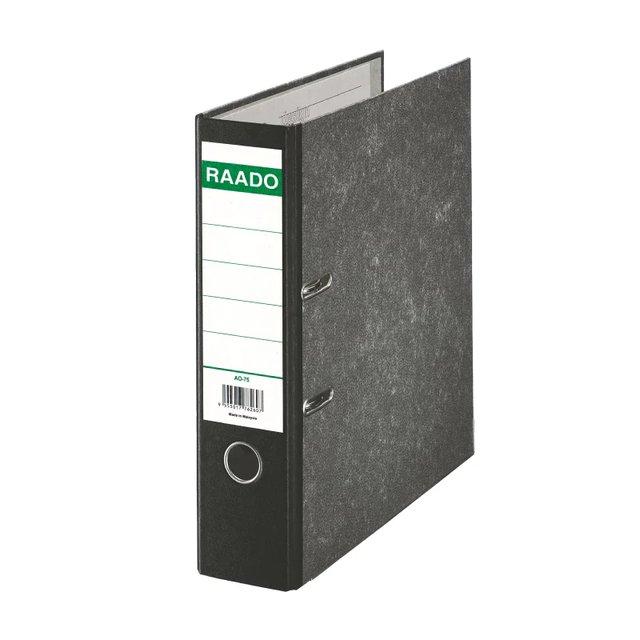
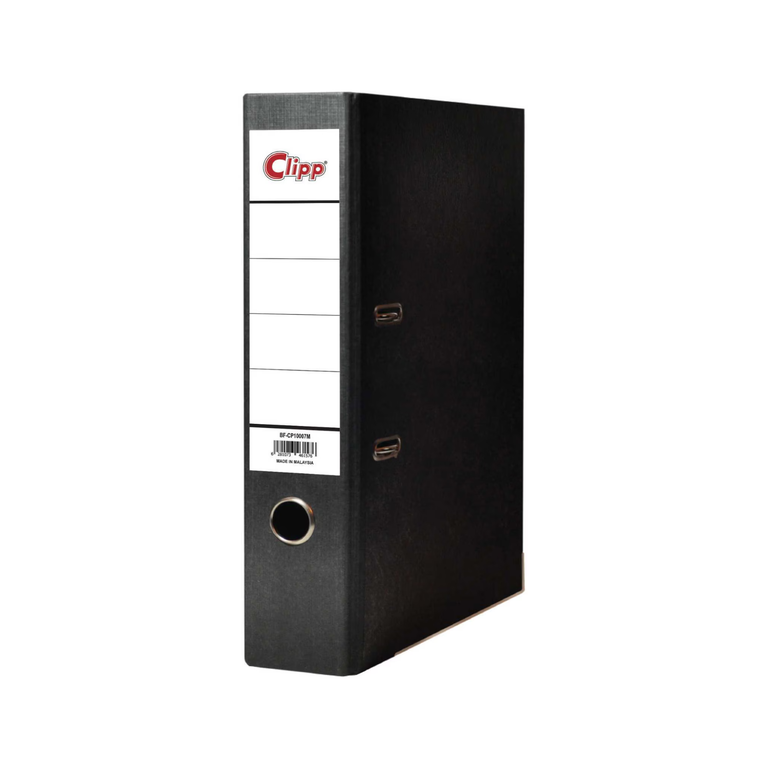
Box file
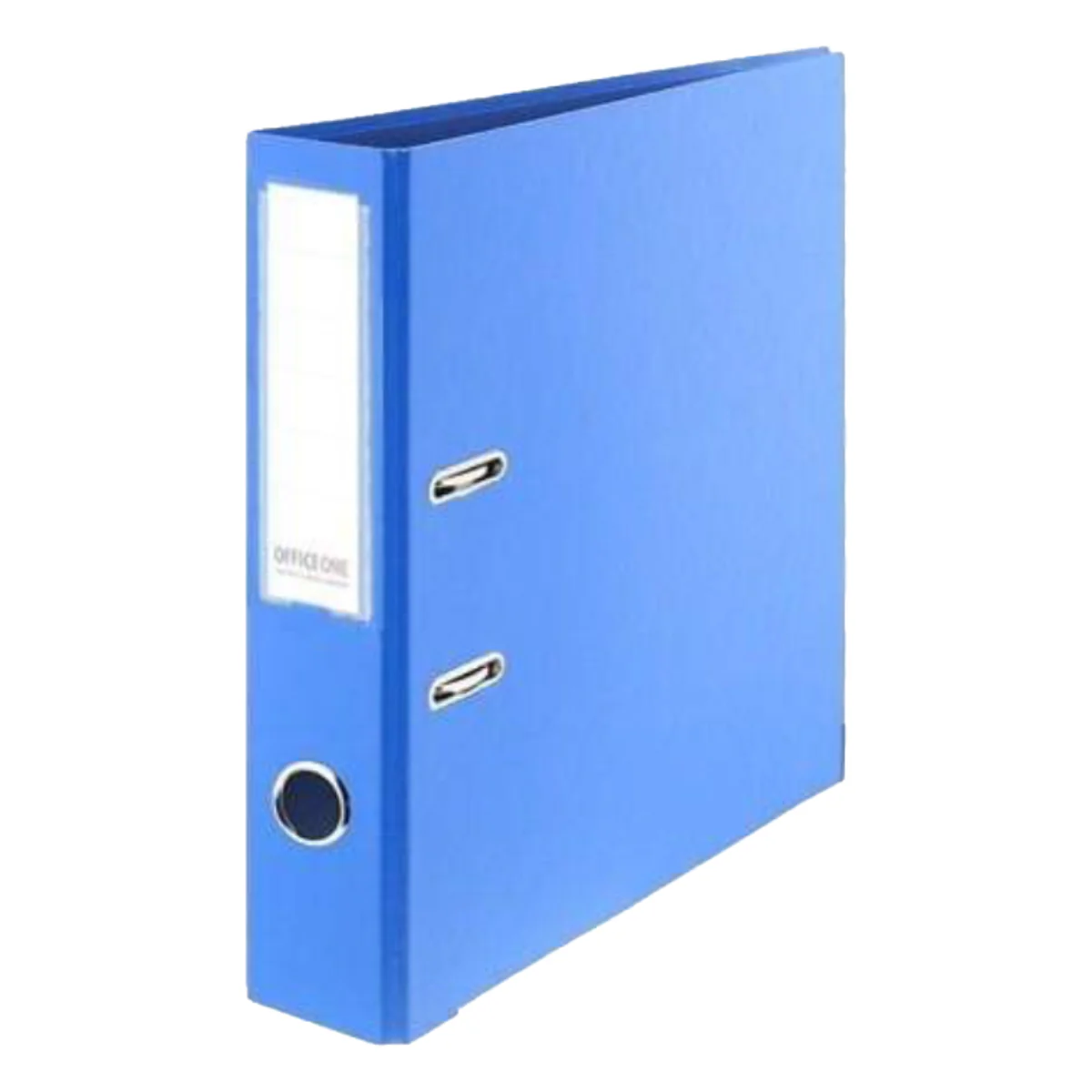
In Qatar, "box file" is the name most offices use for the wide file with a lever clip inside and a finger hole on the spine. It holds a thick stack of punched paper and stands on a shelf with the label facing out.
Use it for: papers you add to every day and keep for years, such as supplier invoices, delivery notes, bank statements and LPOs. One box file per supplier, or per month, works well. The 75 mm spine is the standard; narrower ones suit smaller sets.
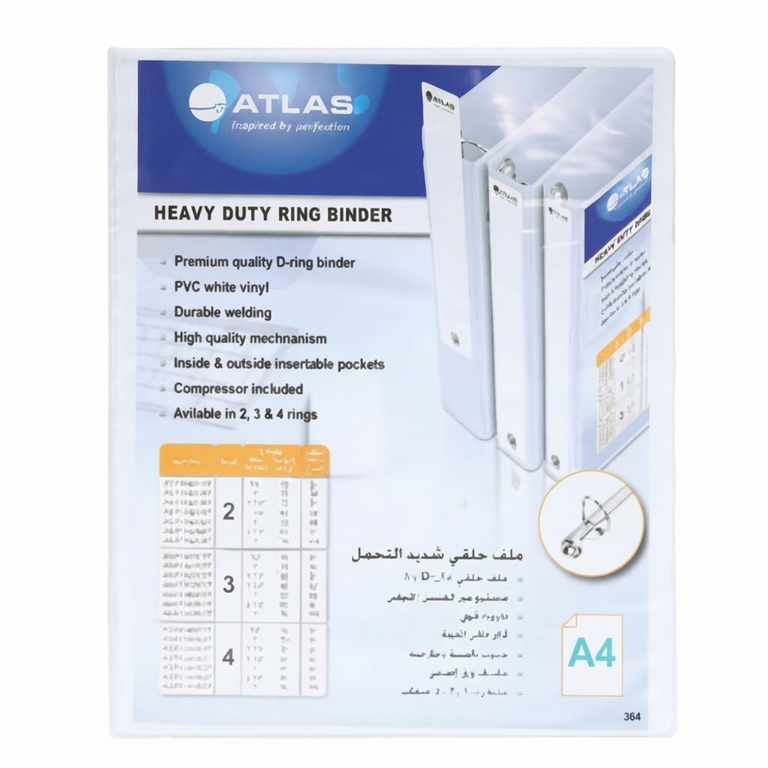
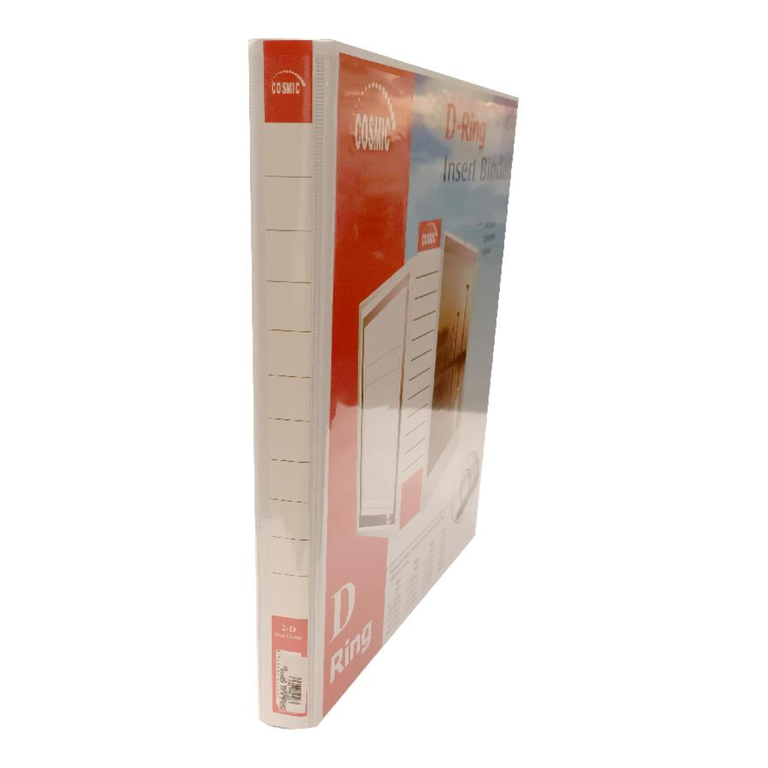
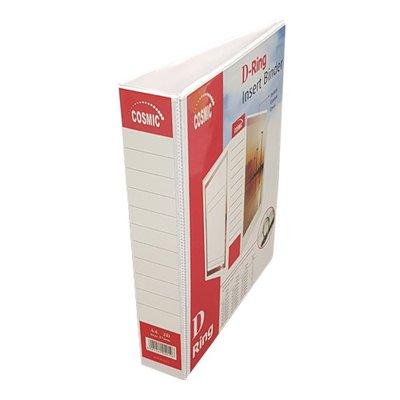
Ring binder
A ring binder is slimmer, with two or four rings and no lever. Pages turn flat, so it is easier to read from.
Use it for: documents people open and read, such as contracts, price lists, manuals, training material and presentations. Choose the ring size by how many pages go inside: a 25 mm ring for a thin set, 40 mm or more for a thick one.
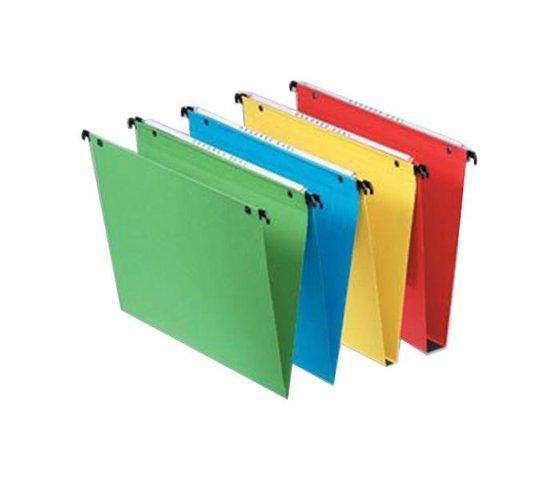
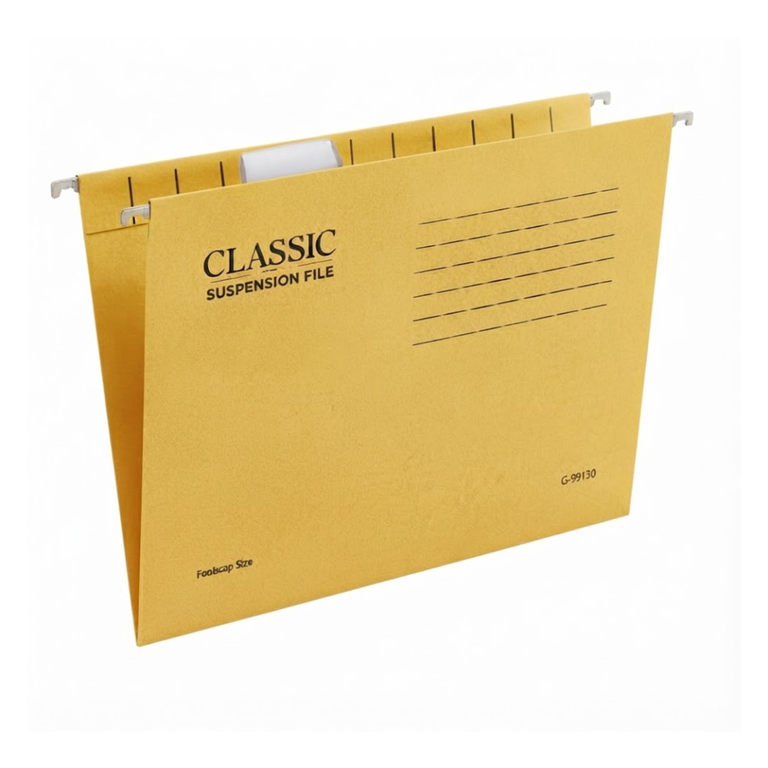
Suspension file
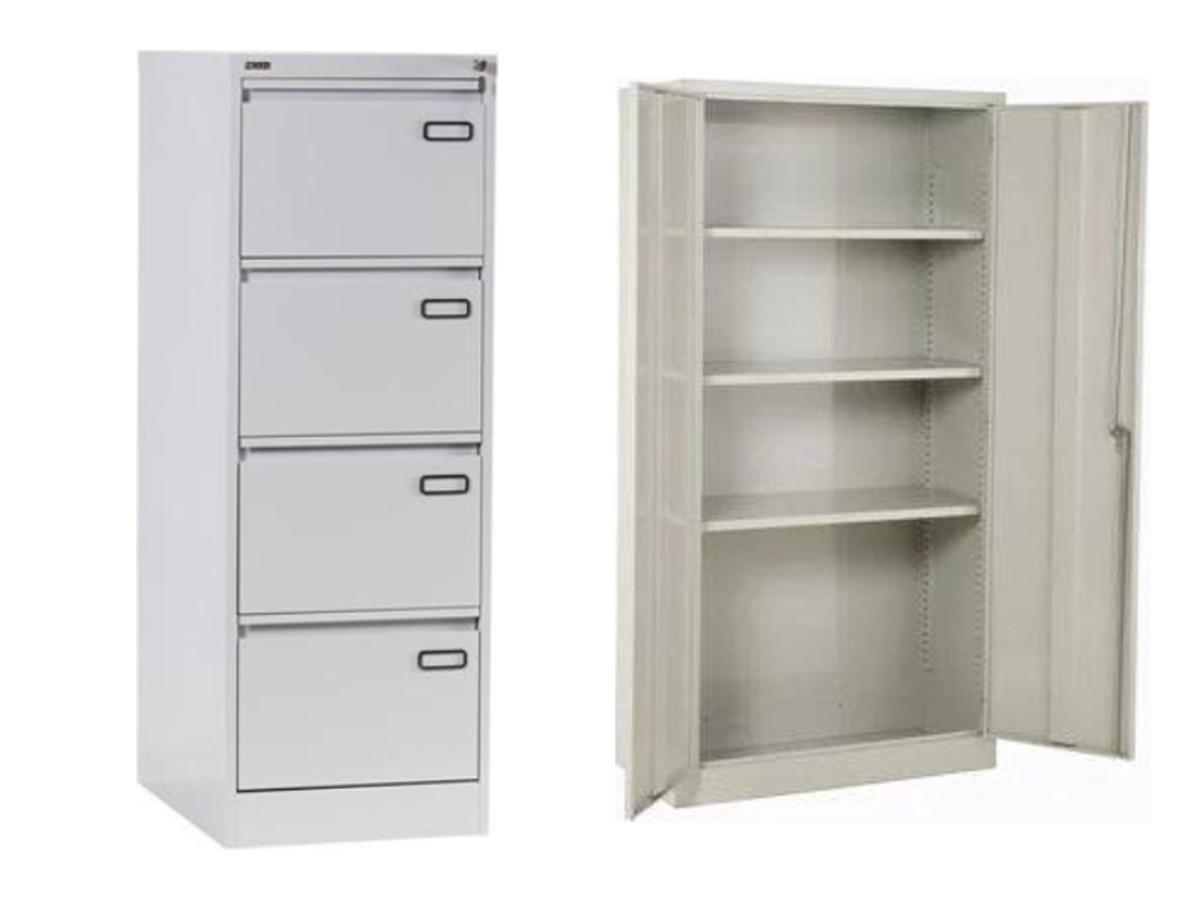
A suspension file hangs on rails inside a filing cabinet drawer. Each one has a tab on top with a name.
Use it for: records that are organised by name and pulled out often, such as staff files, customer files and vehicle papers.
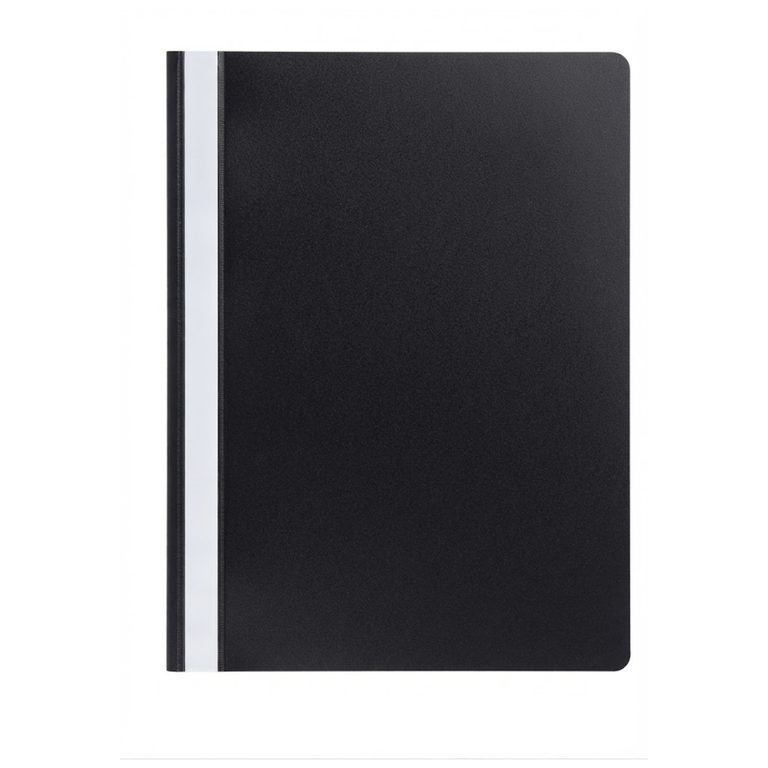
Project and clip files
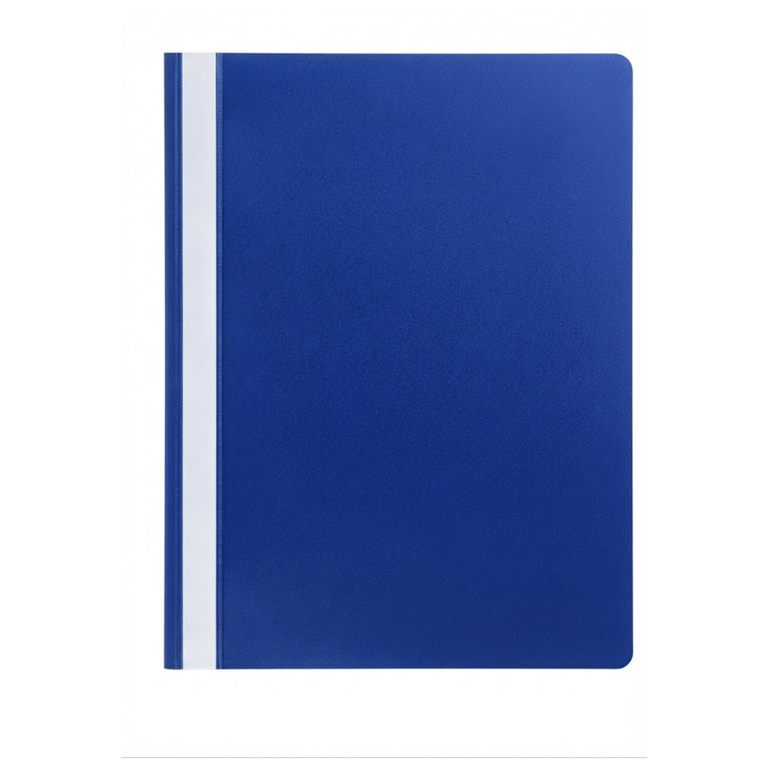
Thin project files and clip files hold a small set of loose papers without punching. They are for work in progress: a quotation being prepared, a tender, papers for one meeting. When the job is done, the papers move to a box file.
Clear pockets and document bags
Original certificates, licences and anything with a stamp should not be punched. Put them in clear pockets inside the file, or in a document bag.
Which file for which paper
| Paper | Best file |
|---|---|
| Invoices, delivery notes, LPOs | Box file, one per supplier or month |
| Contracts and agreements | Ring binder with dividers |
| Staff and customer records | Suspension files in a cabinet |
| Work in progress | Project or clip file |
| Licences and certificates | Clear pockets, never punched |
A labelling system that works
- Same label on every spine: what is inside, the year, and a number. For example "Supplier invoices, 2026, file 3".
- One colour per department. Blue for accounts, red for HR, green for purchasing. Anyone can put a file back on the right shelf.
- Newest paper on top. Everyone files the same way, so the latest document is always the first page.
- Use dividers. Monthly or A to Z dividers save more time than any other accessory.
- Close the year. In January, move last year's files to the archive shelf and start new ones.
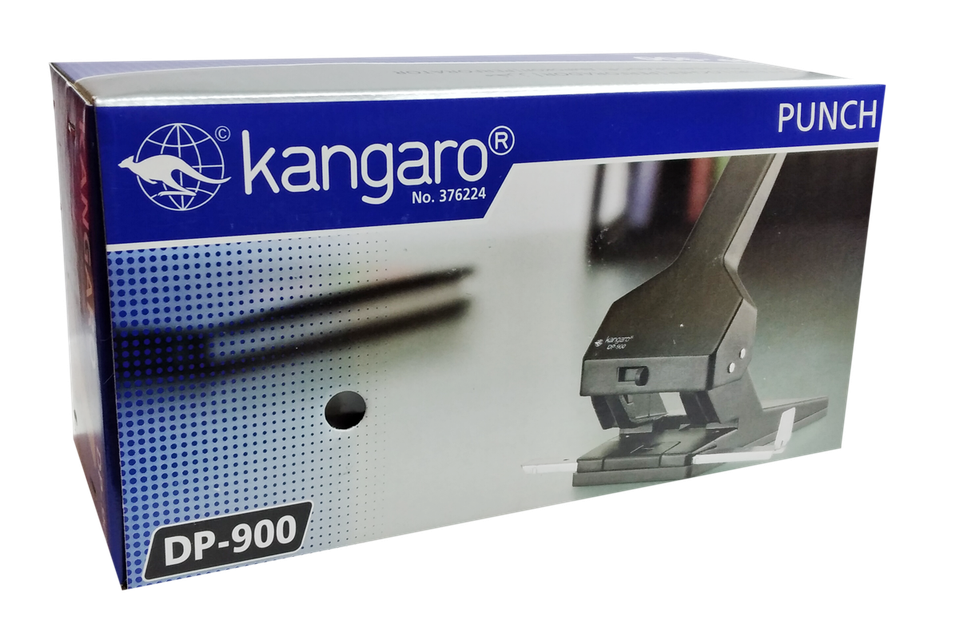
You will need a good two-hole punch and a pack of labels to keep it tidy.
Order files for your office
Browse Files & Folders in the shop. Files cost less by the carton, so tell us how many you use in a year and ask for a bulk price on WhatsApp. Setting up a new office? Use our office stationery checklist.
.jpg)
.jpg)