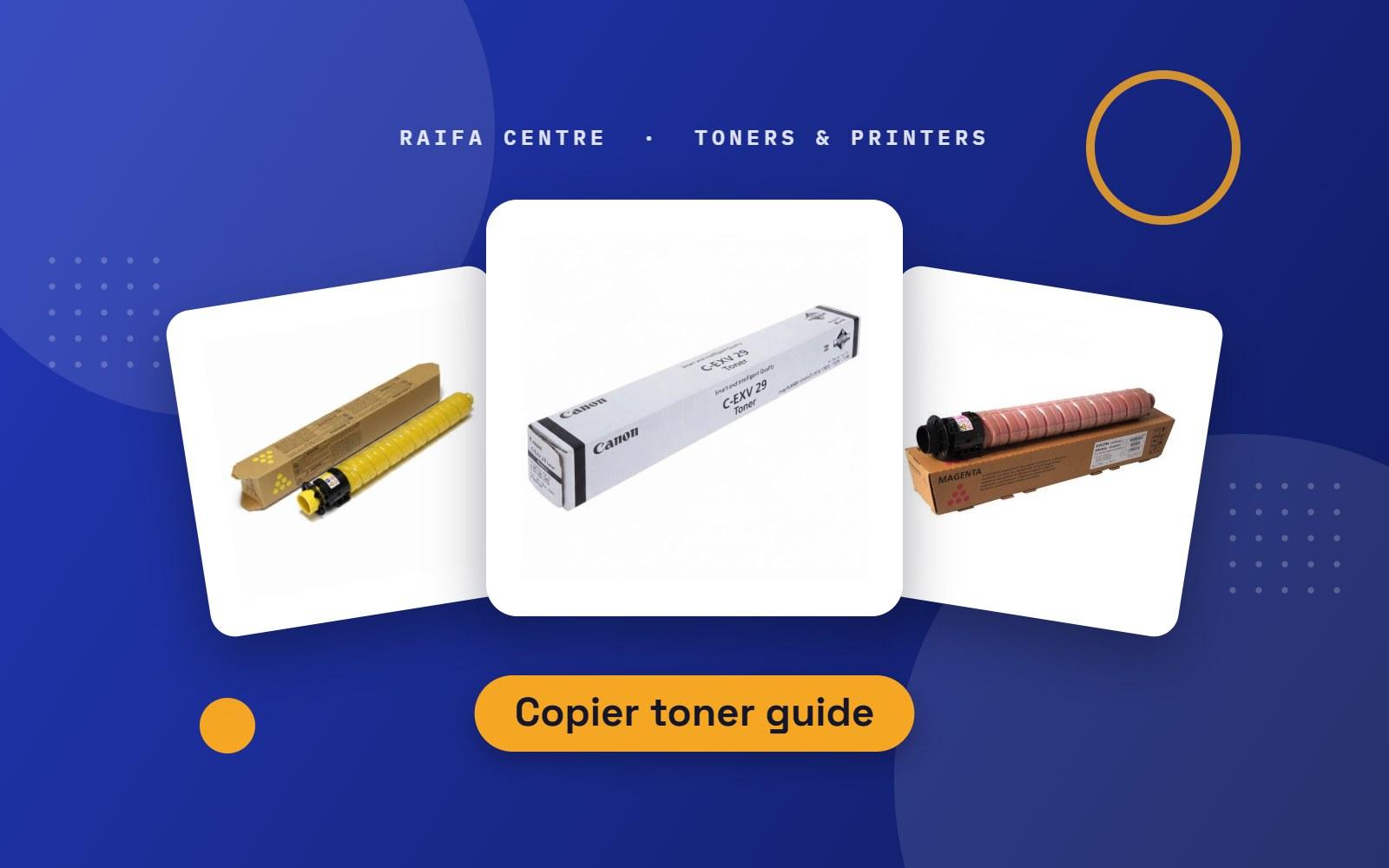
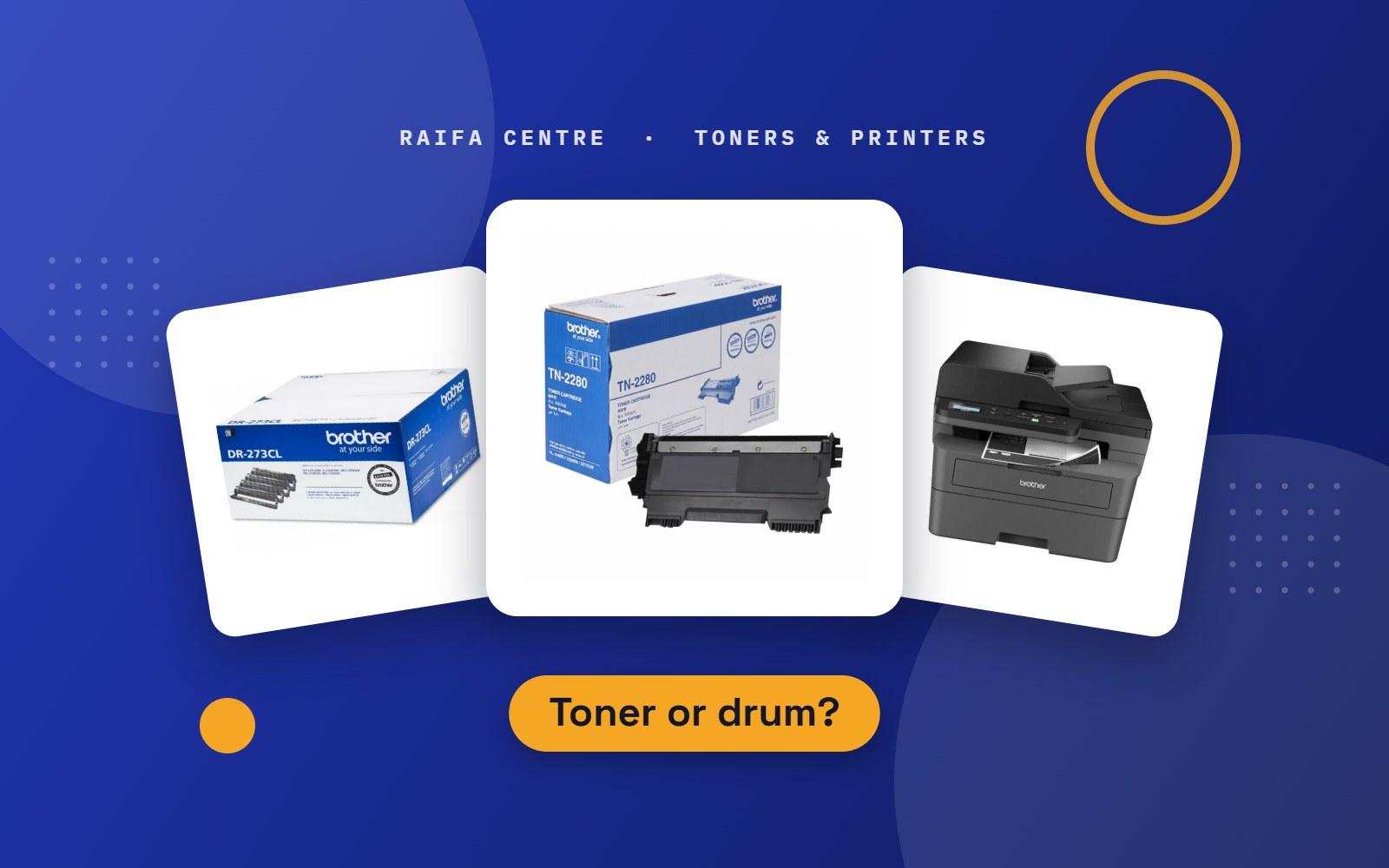
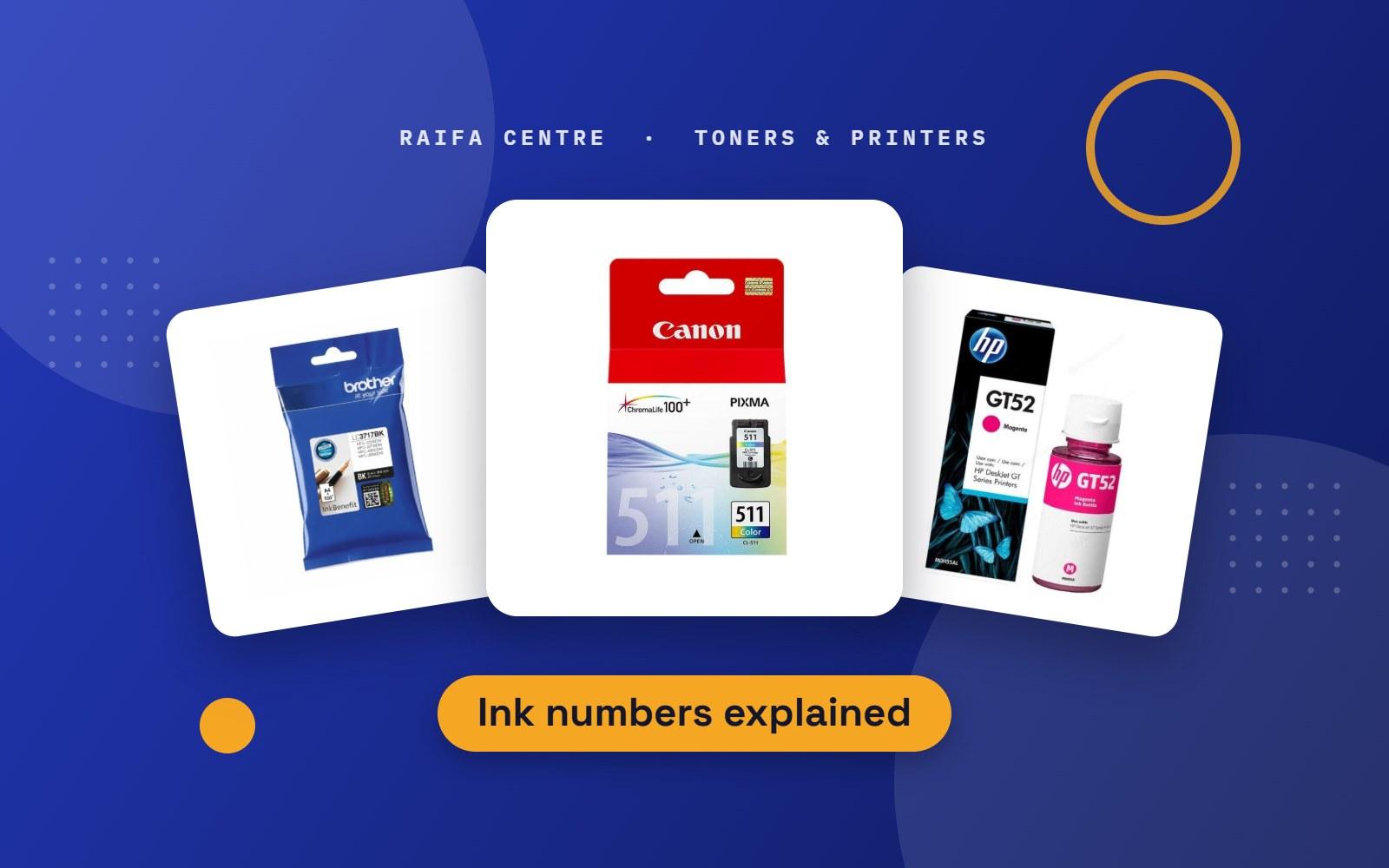
.jpg)
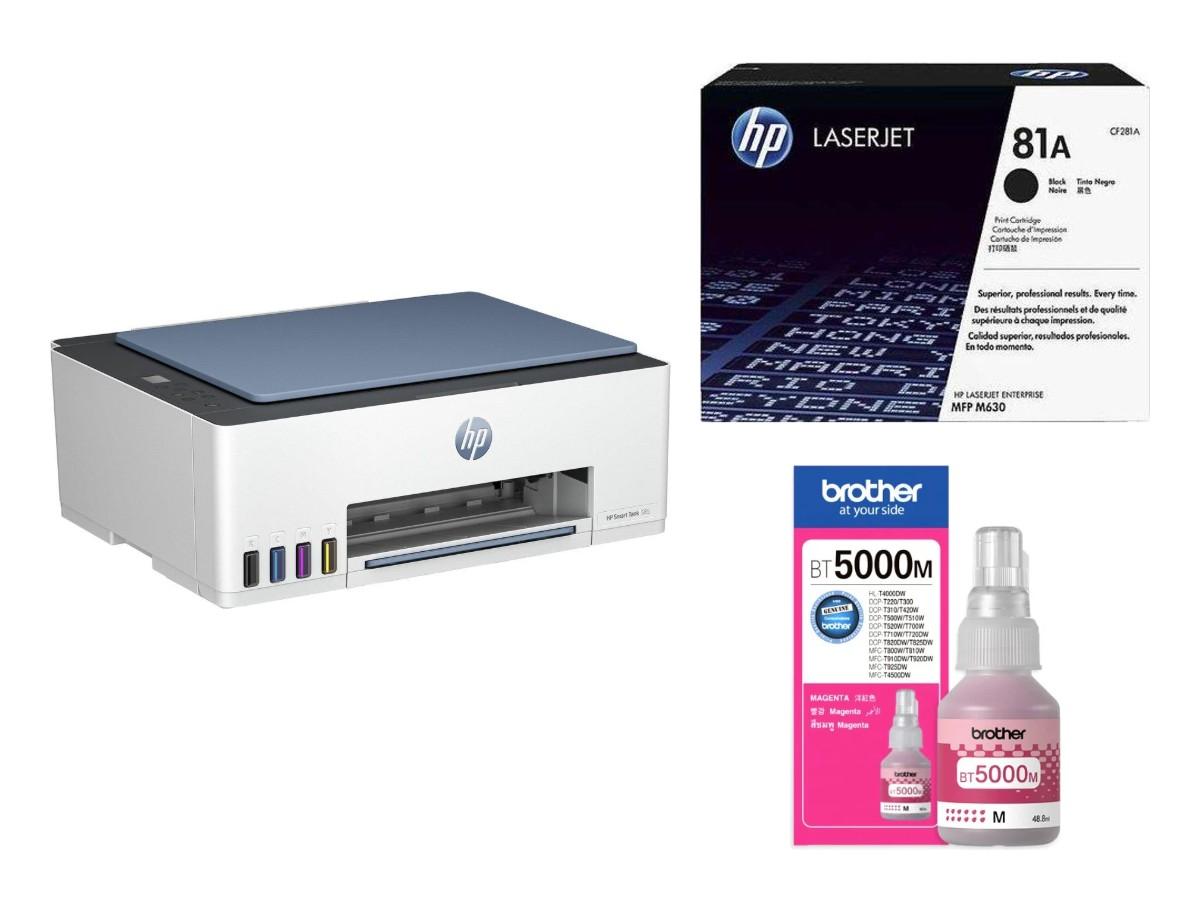
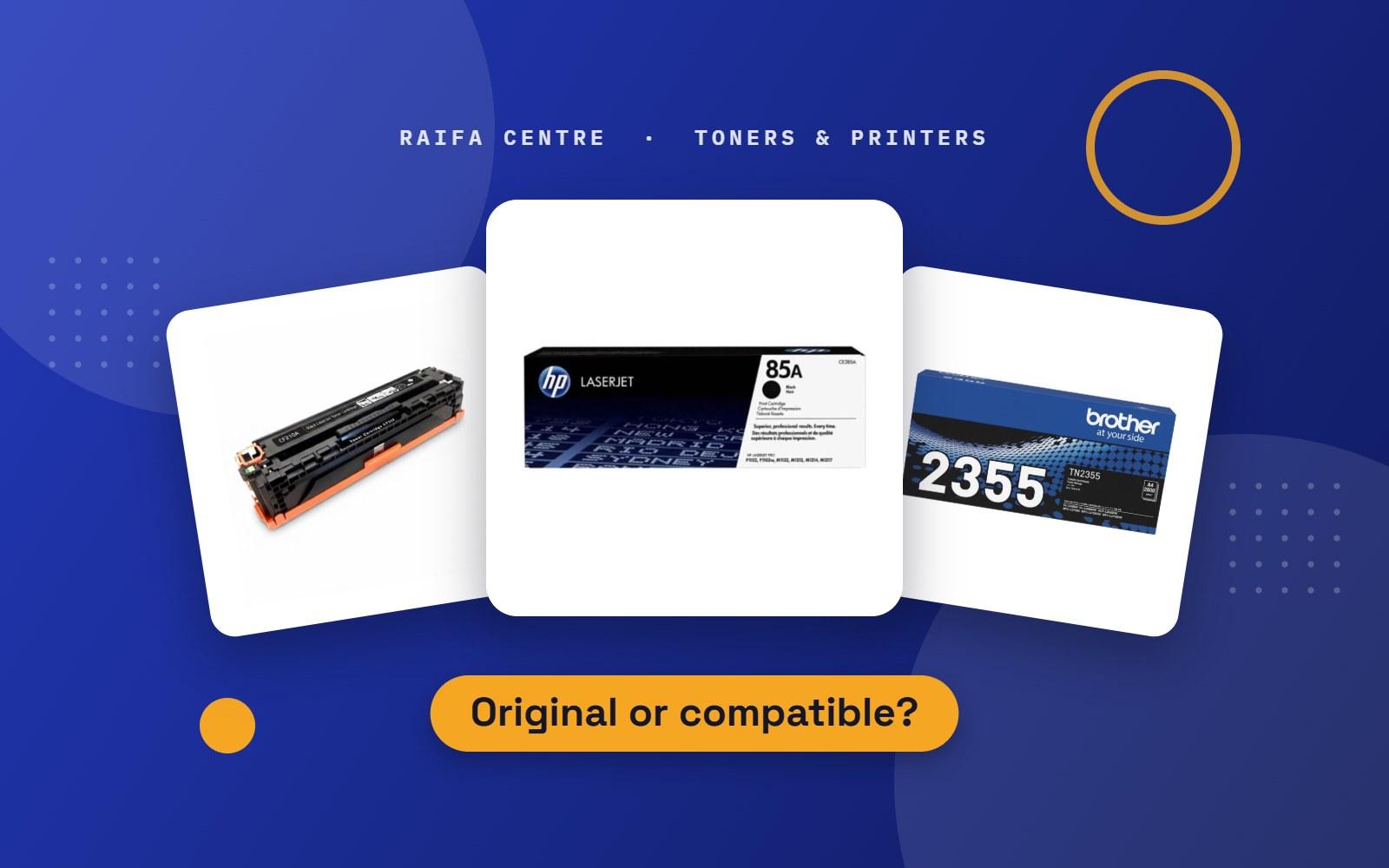
Customers ask us this every day: "Is the compatible one okay, or should I take the original?" The honest answer is that it depends on what you print and how much a bad print would cost you. Here is how to decide.
What the words mean
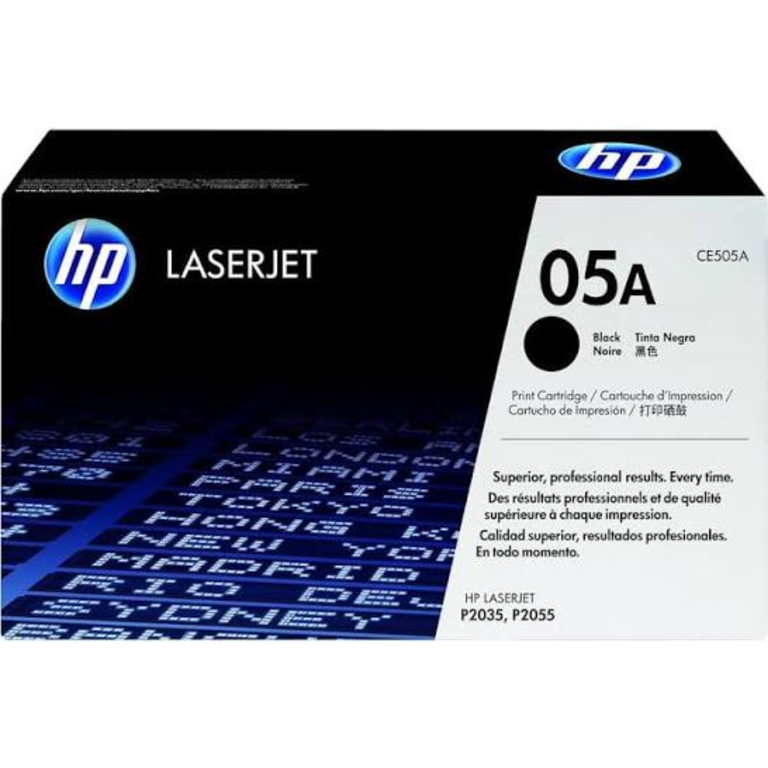
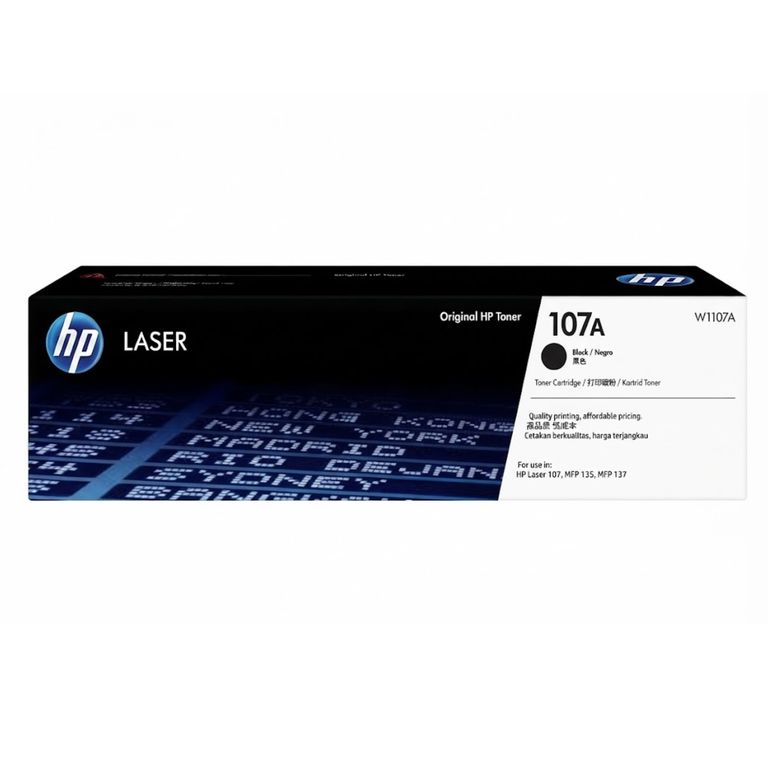
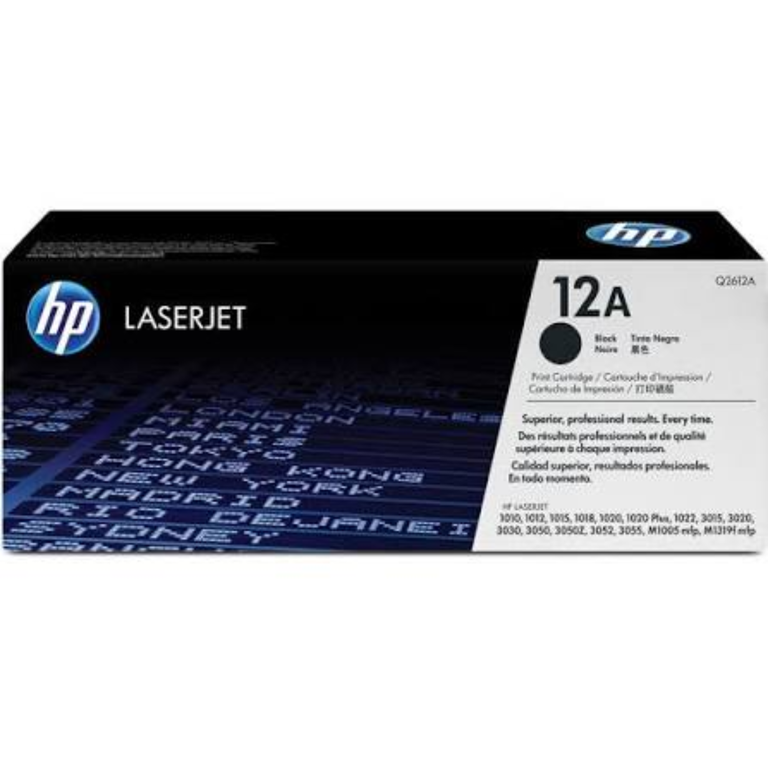
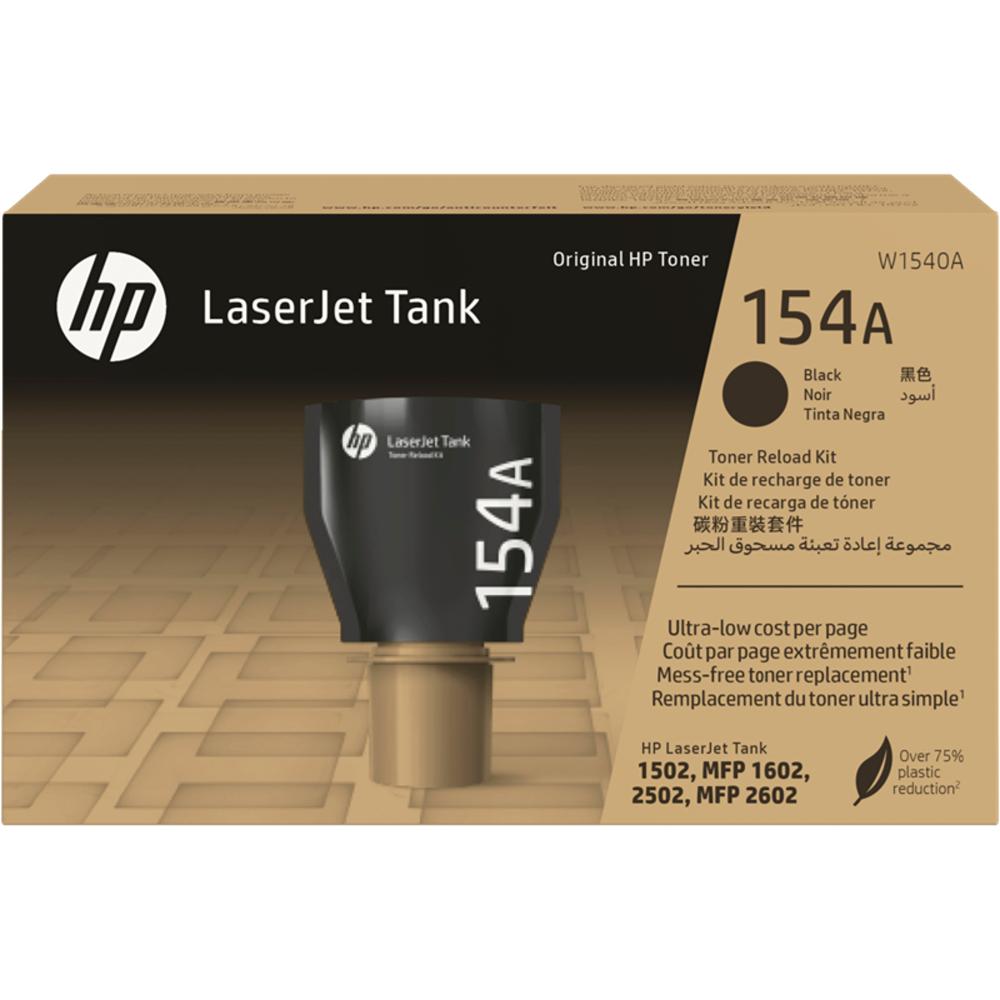
- Original (OEM) toner is made by the printer's own brand: HP toner for HP printers, Canon for Canon, Brother for Brother.
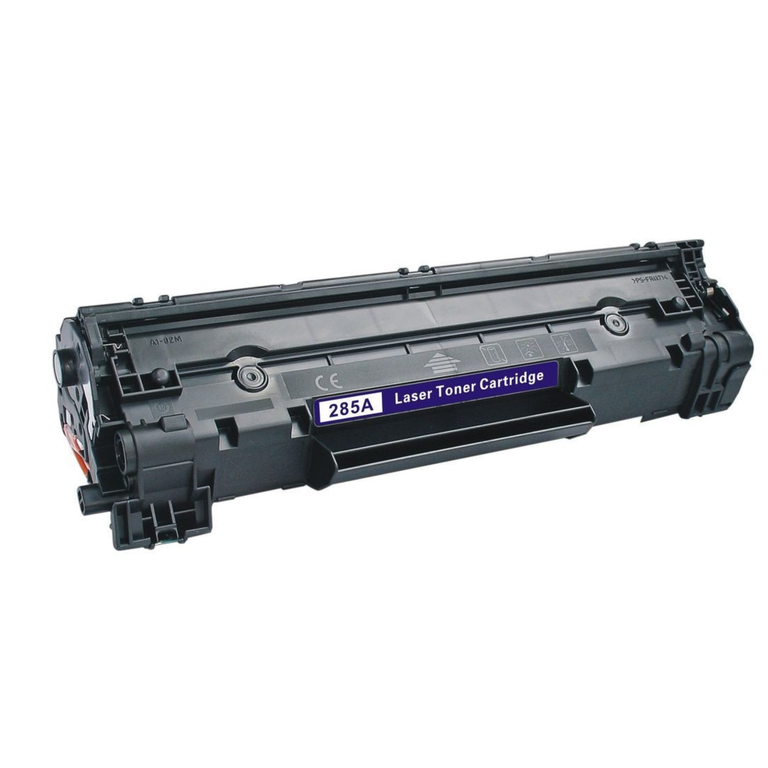
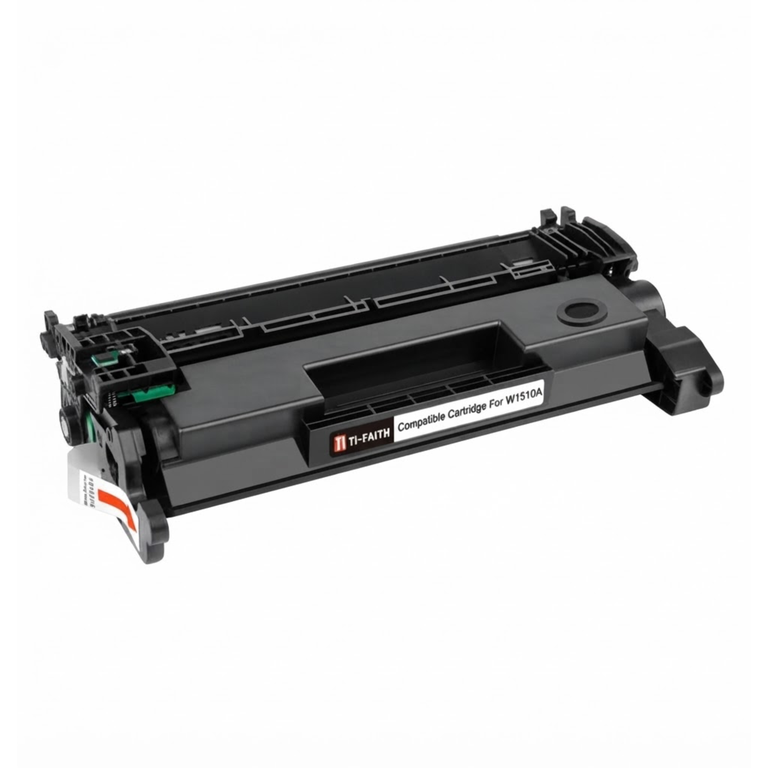
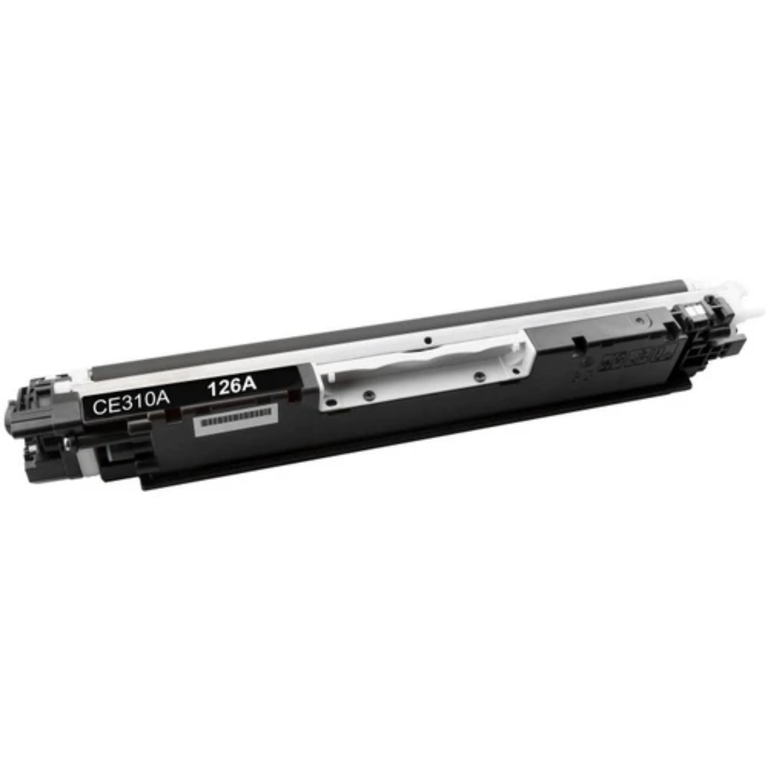
- Compatible toner is a new cartridge made by another manufacturer to fit the same printer.
- Remanufactured toner is a used original cartridge that has been cleaned, refilled and fitted with new parts.
What you get with original toner
Original cartridges are the most consistent. The page count is close to what is printed on the box, colours match from one cartridge to the next, and the printer recognises the chip without warnings. If the printer is under warranty or a service contract, original supplies also keep things simple if something goes wrong.
The cost is the downside. For some small printers, a set of original colour cartridges costs nearly as much as the printer.
What you get with compatible toner
A compatible cartridge can cost far less than the original, and a good one prints clean black text that most people cannot tell apart from the original. For invoices, delivery notes, internal reports and school worksheets, that is usually all you need.
The trade-offs to know about:
- Quality varies by maker. Buy from a shop that will replace a faulty cartridge, not from the cheapest listing you can find.
- Colour is harder than black. Compatible colour toner may not match brand colours exactly. For logos and marketing material, original is safer.
- The printer may show a message. Some printers display "non-genuine cartridge" and ask you to press OK. Some newer HP printers have a security setting that can block cartridges with a non-HP chip, so ask us before you buy for a recent model.
- Warranty. Read your printer's warranty terms. Damage caused by a faulty third-party cartridge may not be covered.
Compare the cost per page, not the price on the box
Every cartridge has a page yield, measured at about 5% coverage, which is a normal page of text. Divide the price by the yield to get the cost per page.
Cost per page = cartridge price ÷ page yield. A cartridge that costs more but prints twice as many pages is the cheaper one.
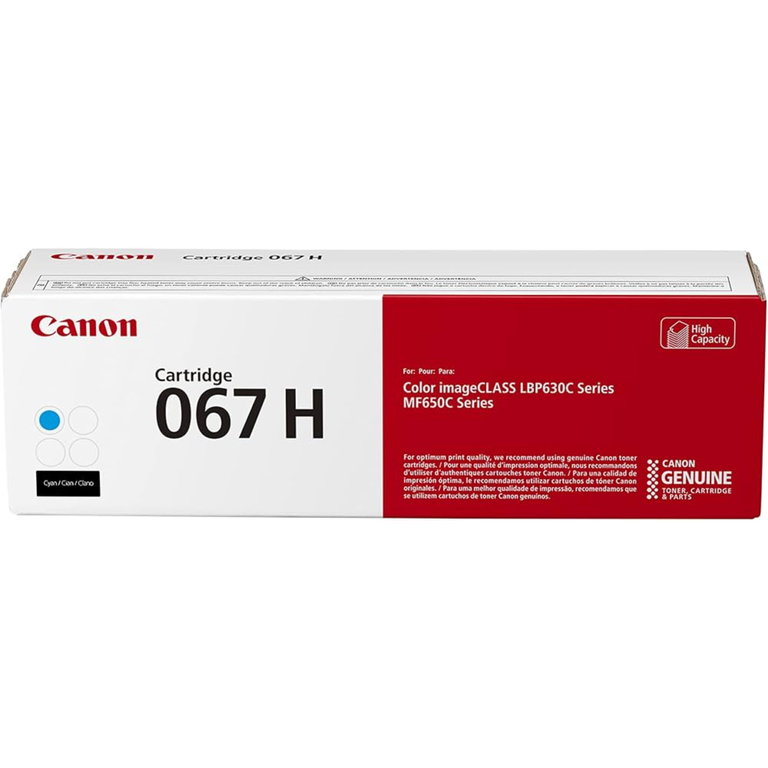
This is also why a high-yield original (the "X" version) can sometimes beat a small compatible on cost. We explain the A and X sizes in our guide to finding the right toner.
Our simple rule
- Choose original for colour work, client-facing documents, printers under warranty or contract, and printers you cannot afford to have down.
- Choose compatible for high-volume black-and-white printing on an older printer where cost matters most.
- Mix them if you like: many offices keep an original in the manager's colour printer and compatibles in the back-office mono printer.
What we keep in stock
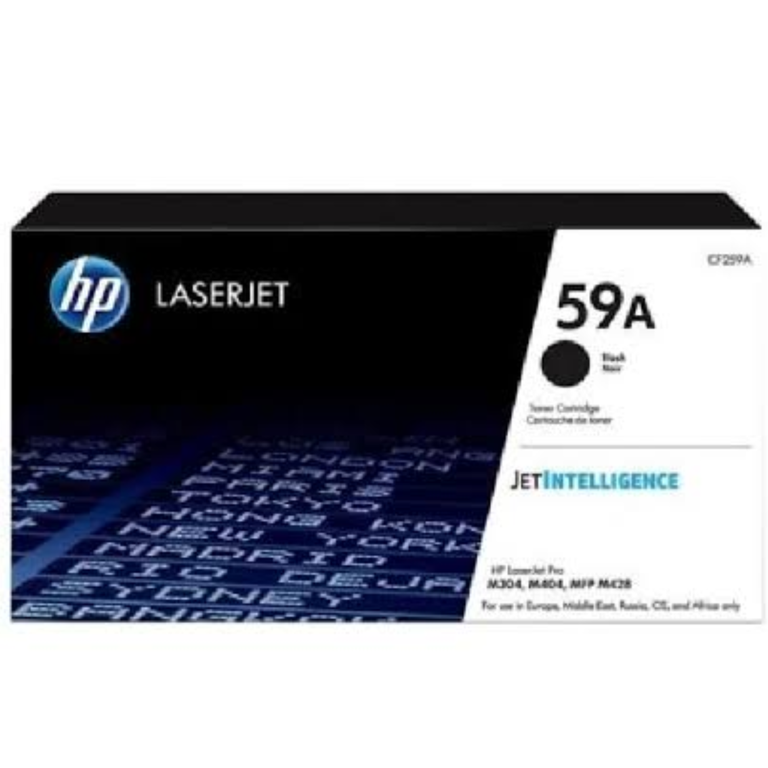
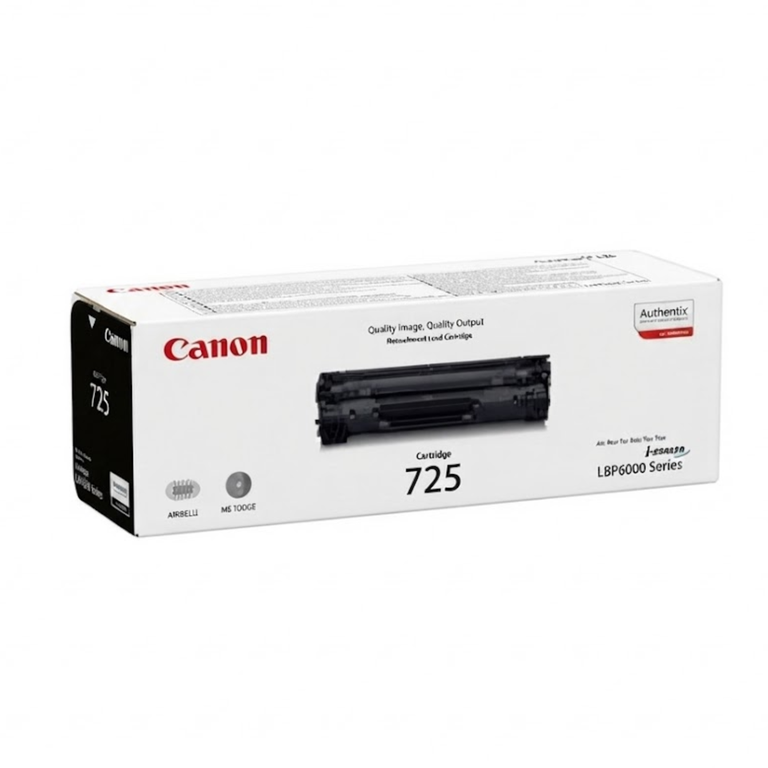
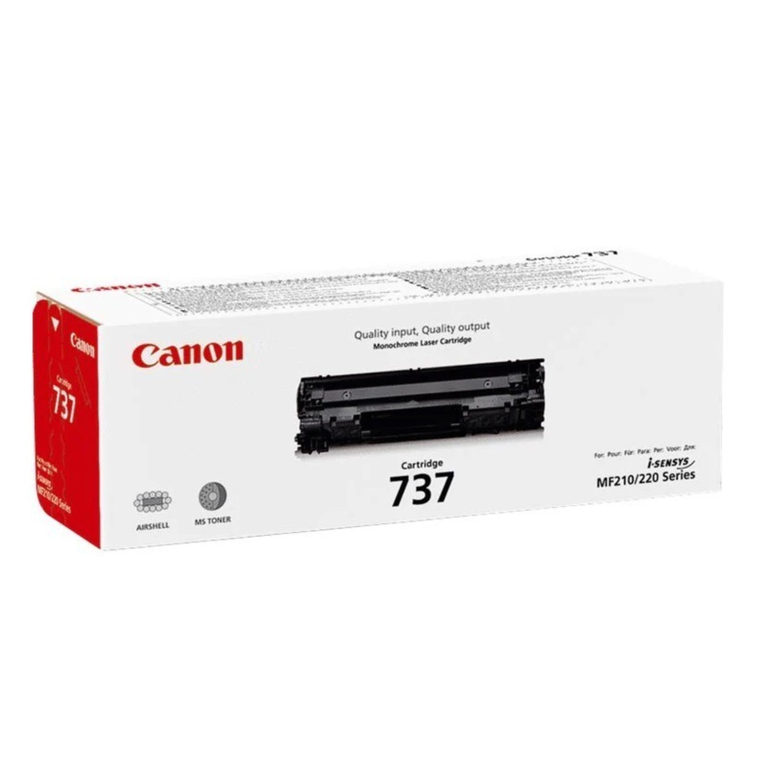
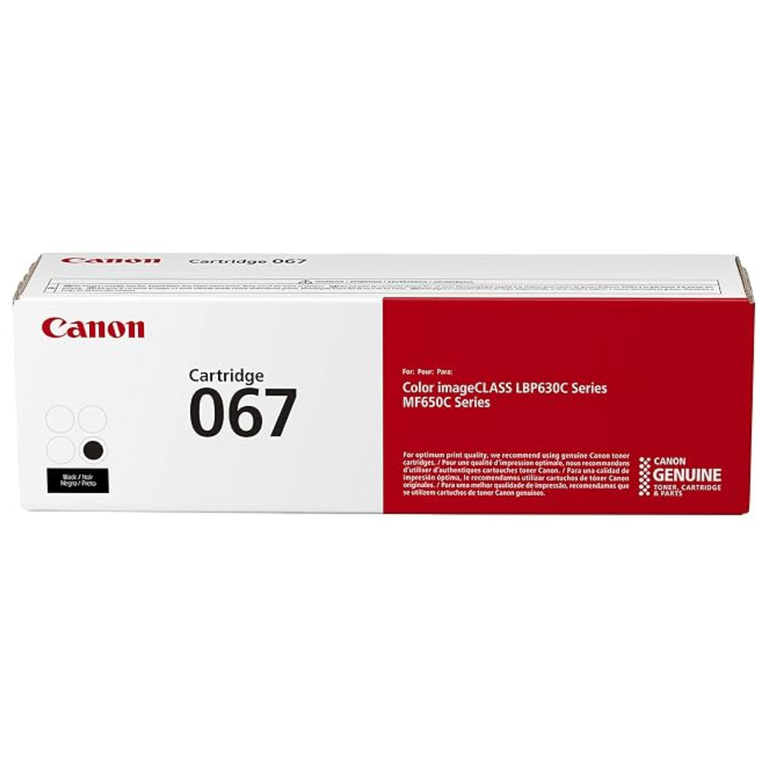
We sell original toner for HP, Canon, Brother, Kyocera, Ricoh and Konica Minolta, and compatible toner for popular models such as HP 85A, 83A, 59A, 117A and 207A. Tell us your printer model and how much you print in a month, and we will give you both prices so you can compare.
If your prints are already coming out faded, do not replace the cartridge yet. Try these fixes for faded and streaky prints first.